

Flying can be exhilarating — or exhausting. For many people, the stress begins long before takeoff: wrestling with heavy luggage, rushing through security, or realizing they forgot something essential. But seasoned travelers do things differently.
The most experienced flyers have routines, habits, and little tricks that make every step before a flight feel calm and controlled. These habits aren’t about being perfect — they’re about being prepared. Below are 7 things smart travelers always do before they fly, explained in ways you can actually apply.
1. Choose the Best Seat Early
One of the first things smart travelers do — often at the moment of booking — is selecting their seat carefully. They don’t leave it to chance or hope for the best at check-in. Whether it’s a window seat to sleep, an aisle seat to stretch legs, or a row near the wings for a smoother ride, choosing early gives travelers control over comfort for the whole flight.
Instead of waiting for the airline to assign a seat randomly, savvy flyers look at seat maps, compare legroom, proximity to bathrooms, and even noise levels before choosing where they want to sit. This tiny choice can shape the entire experience — especially on long-haul flights.
2. Pack Documents and Essentials Together
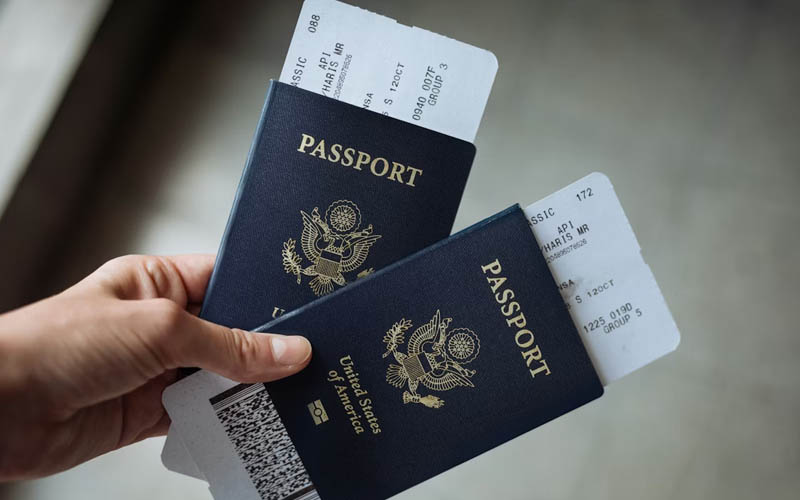
You’ve probably heard this advice before, but smart travelers elevate it. They don’t just toss their passport into the bag; they create a designated spot for every essential item — like passports, visas, boarding passes, tickets, hotel reservations, wallet, and phone.
Many even take screenshots of digital documents and store them offline, just in case there’s no Wi-Fi at the airport. Some keep a little travel folder or travel wallet with all these items neatly organized. It might sound simple, but it prevents countless moments of panic — like digging through bags at security or customs.
3. Arrive Early — But With a Purpose
Showing up “just a bit early” isn’t enough. Experienced travelers build enough buffer time into every departure. They know that traffic, security lines, and airport layout can vary wildly — and often unpredictably.
For most domestic flights they aim for at least two hours before takeoff. For international trips, they add an extra hour or more. But smart flyers don’t just sit in the lobby. Once they’re through security, they check the gate location, find a comfortable seat, and often review their plan for the first part of the trip.
Early arrival doesn’t mean waiting aimlessly — it means staying relaxed and in control if something unexpected comes up.
4. Prepare Carry-On Luggage Strategically
A lot of travelers treat their carry-on like a spare suitcase, cramming it full at the last moment. Smart travelers do the exact opposite: they pack intentionally.
They think about:
-
What items they absolutely need on the plane
-
What they might need during a connection
-
What they will definitely not need until arrival
This means easy access to chargers, medication, headphones, snacks, travel comfort items (like a neck pillow), and documents. Other items that aren’t essential during flight go into checked bags if possible.
It’s a small mental shift — from throwing items in at the last minute to thinking about how the flight itself will go — and it cuts stress dramatically.
5. Check In and Download Boarding Pass Ahead of Time
Smart travelers check in as soon as the airline allows — usually 24 hours before departure — and download their boarding pass to their phone or print it out. They don’t wait until the airport or depend on kiosk machines.
By doing this ahead of time, they:
-
Avoid long check-in lines
-
Skip printing lines at the airport
-
Reduce last-minute technology delays
Even if you prefer a paper boarding pass, having both a digital and printed version adds a layer of security on travel day.
6. Confirm Flight Status and Monitor Updates
Flights can change — sometimes without warning. Smart travelers check their flight status multiple times: the night before and the morning of departure. They also enable notifications on the airline’s app, so they instantly get alerts if there’s a delay, gate change, or cancellation.
This is especially important at big airports or during busy travel seasons. A heads-up lets a traveler adjust ground transportation, luggage drop, or check-in timing without panicking at the airport.
7. Take Care of Yourself Before the Flight
This isn’t something most travel guides emphasize, but seasoned flyers treat their body like part of the trip preparation. They know that when cabins have low humidity and long waits are ahead, little things matter.
Smart travelers make sure to:
-
Get enough sleep the night before
-
Hydrate well (yes — even before reaching the airport)
-
Eat a balanced meal before boarding
Feeling well before a flight sets your whole trip off on the right foot. You show up at security calm, energized, and ready — not tired, thirsty, or irritable.
Bottom Line: What Sets Smart Travelers Apart
Smart travelers don’t just do things on travel day — they think ahead. From picking a comfortable seat to organizing critical documents, choosing flights wisely, and taking care of personal needs before departure, experienced flyers minimize stress and maximize comfort with simple, intentional habits.
The real edge is this: the more prepared you are before you leave home, the more smoothly your travel day will go. That’s not luck — that’s good planning. And once you adopt these habits, traveling feels less like chaos and more like an adventure you control.

