
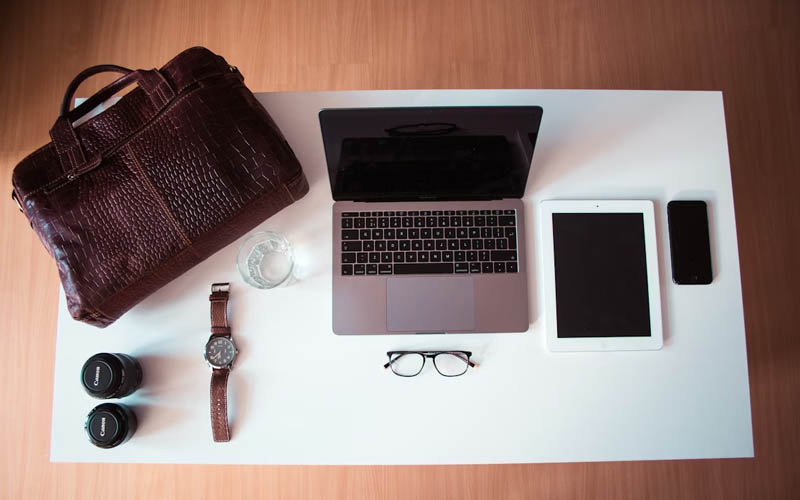

The idea of working from a beach café or a quiet mountain town sounds perfect. And sometimes, it really is. But anyone who has tried to travel and work remotely knows the truth sits somewhere between freedom and responsibility. Remote work while traveling isn’t just about packing a laptop. It’s about building routines that move with you, learning what really matters, and figuring things out as you go.
This guide is for people who want something realistic. Not hype. Not Instagram filters. Just practical advice that helps you work well while seeing the world.
Start With a Job That Actually Allows Remote Work
Before thinking about destinations, internet speed, or coffee shops, you need stable remote income. That can mean freelance work, running an online business, consulting, or having a fully remote job. The key is reliability. Traveling becomes stressful when income feels uncertain.
If you already work remotely, be honest about your workload. Some roles are flexible with time zones and schedules, while others are not. Knowing what your job expects helps you choose destinations and travel speed wisely.
Choose Destinations With Remote Work in Mind
Not every beautiful place is great for working. Reliable internet, electricity, and quiet spaces matter more than views. Many remote workers choose cities known for coworking spaces, strong internet, and affordable living. Smaller towns can work too, but only if connectivity is solid.
Time zones also matter. Working U.S. hours from Asia or Europe can be exhausting long-term. Try to balance work demands with a location that supports your energy levels.
Build a Routine You Can Repeat Anywhere
One of the biggest mistakes new remote travelers make is treating every day like a vacation. Constant movement leads to burnout fast. Creating a simple routine helps you stay productive without losing the joy of travel.
That routine might include fixed working hours, a morning walk, or choosing specific days to explore. When work has structure, free time feels more rewarding instead of stressful.
Pack Light, But Pack Smart
You don’t need five outfits per week, but you do need tools that keep work smooth. A lightweight laptop, good headphones, and a reliable charger matter more than extra shoes. A compact laptop stand or keyboard can also save your posture during long work sessions.
The goal is comfort without carrying your entire office. Less baggage makes travel easier and clears mental space.
Find Workspaces That Fit Your Focus
Working from bed sounds cozy, but it rarely works well. Cafés, coworking spaces, libraries, and even hotel lounges can become productive work environments. Test different setups and notice where you focus best.
If noise affects concentration, invest in noise-canceling headphones. If distractions are the problem, choose quieter places or book accommodation with a dedicated workspace.
Manage Your Time Like It Matters (Because It Does)
When you travel and work remotely, time becomes your most valuable asset. It’s easy to underestimate how long tasks take when surrounded by new experiences. Planning your day realistically prevents late nights and unnecessary stress.
Batching work, setting daily goals, and using simple planning tools keeps your workload controlled. When work hours end, allow yourself to fully disconnect and enjoy where you are.
Take Care of Your Health on the Road
Remote work travel can quietly drain your energy if you’re not careful. Irregular sleep, poor food choices, and too much screen time catch up eventually. Try to keep simple health habits consistent, like walking daily, staying hydrated, and getting enough rest.
Mental health matters too. Traveling solo while working can feel isolating at times. Staying connected with friends, family, or remote communities helps maintain balance.
Slow Travel Works Better Than Fast Travel
Moving every few days looks exciting but quickly becomes exhausting. Staying longer in one place reduces costs, improves productivity, and allows you to experience destinations more deeply. Many remote workers prefer staying at least a few weeks in one location.
Slow travel creates stability while still offering variety, making it easier to perform well at work and enjoy life outside it.
Separate Work Time From Personal Time
When your home, office, and travel space overlap, boundaries matter. Decide when you are working and when you are not. Close the laptop at the end of the day. Avoid answering messages constantly.
Clear separation helps prevent burnout and makes travel feel rewarding instead of like a never-ending workday.
Bottom line
Traveling and working remotely is less about chasing freedom and more about building balance. With the right job, thoughtful planning, and honest routines, remote work can support a lifestyle that feels both productive and meaningful. When you respect your work and your well-being equally, travel becomes sustainable, not stressful.

