
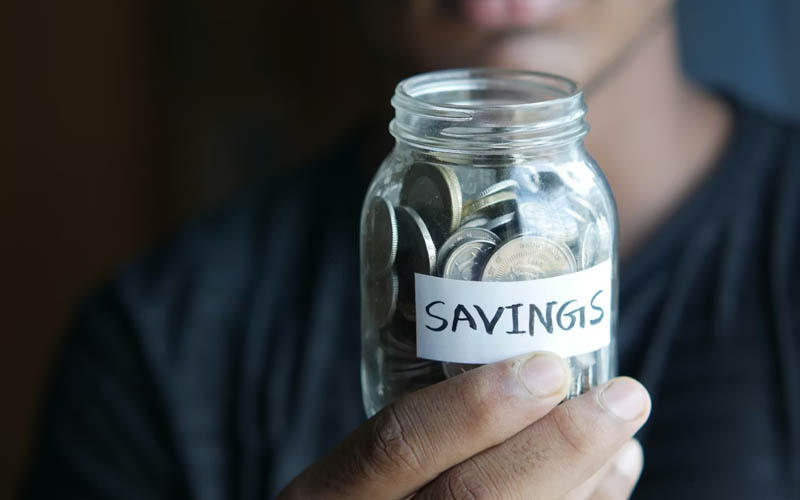

Traveling is exciting, but money is often the number-one concern for first-time travelers. A well-planned travel budget ensures you enjoy your trip without constant worry about overspending. This guide explains exactly how to create a realistic, stress-free budget for any trip.
Step 1: Start with Major Expenses
Your budget should begin with the big-ticket items:
-
Flights or transport: Look for deals, but don’t compromise comfort too much. Consider different airlines, train options, or bus routes.
-
Accommodation: Choose between hotels, hostels, vacation rentals, or guesthouses. Decide what matters most: location, price, or amenities.
-
Activities and sightseeing: Plan the experiences you really want — guided tours, entry fees, excursions.
Example: Booking a hotel slightly outside the city center might save money but require extra transportation. Factor both in.
Step 2: Estimate Daily Expenses
Daily costs include:
-
Meals and drinks
-
Local transportation
-
Minor attractions or entertainment
-
Snacks and personal items
Tip: Check local prices online or ask travelers who have visited recently to get realistic estimates.
Step 3: Add a Buffer
Unexpected expenses always happen:
-
Emergencies
-
Souvenirs
-
Last-minute tickets or changes
Tip: Reserve 10–15% of your total budget for these surprises.
Step 4: Use Tools to Track Spending
Keep a record of expected vs actual costs:
-
Spreadsheets or travel budget apps
-
Notes on receipts or smartphone trackers
Tracking helps you stay on target and make adjustments if needed.
Step 5: Save Smartly Before the Trip
-
Set aside a small amount each week or month
-
Reduce unnecessary expenses (coffee runs, subscriptions)
-
Prioritize spending on experiences that matter most
Step 6: Manage Money Abroad
-
Keep multiple payment options (cash, debit/credit card)
-
Understand currency exchange rates
-
Inform your bank of international travel to avoid frozen cards
Step 7: Be Flexible
Even with a detailed budget, flexibility is key:
-
Some activities may cost more or less
-
Unexpected experiences may arise
-
Adapt your plan without stress
Practical Example
Imagine a 5-day trip to a new city:
-
Flights: $300
-
Accommodation: $400
-
Daily meals: $25/day × 5 = $125
-
Activities: $150
-
Buffer: $75
Total: $1,050
This structured plan allows for fun without panic and helps you enjoy your trip fully.
Conclusion
A realistic travel budget gives peace of mind. It prevents overspending and allows for spontaneity. With planning, tracking, and a small buffer, travelers can focus on the adventure instead of worrying about money.

