
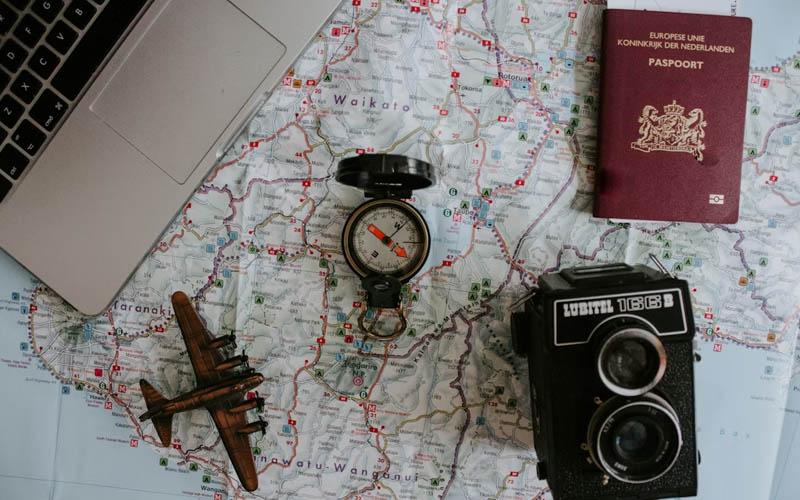

Traveling to multiple countries in a single trip can be one of the most exhilarating experiences of your life. From exploring diverse cultures to tasting different cuisines and seeing iconic landmarks, multi-country trips provide endless opportunities for adventure. However, planning such a journey can feel overwhelming, especially if it’s your first time tackling multiple destinations. The key to a smooth, stress-free experience lies in careful preparation, smart organization, and realistic expectations. Here’s a guide to planning a multi-country trip without feeling overwhelmed.
1. Define Your Priorities and Interests
The first step in planning a multi-country trip is understanding what you want from your journey. Are you seeking cultural immersion, historical exploration, nature adventures, or relaxation? Identifying your priorities will help you choose countries and cities that align with your interests. For example, if food is a main focus, consider visiting Italy, Thailand, and Mexico. If history is more appealing, countries like Greece, Egypt, and Turkey may be ideal. Clarifying your goals helps prevent overpacking your itinerary and keeps the trip enjoyable.
2. Set a Realistic Timeline
One of the biggest mistakes travelers make is trying to see too much in too little time. Traveling to multiple countries requires time for transit, exploring, and recovery from jet lag. Avoid cramming too many destinations into a short period. Focus on spending at least three to five days in each major city or region to truly experience it. Longer stays reduce travel fatigue and give you flexibility if unexpected delays occur. Remember, quality experiences often outweigh quantity when it comes to multi-country trips.
3. Plan Your Route Logically
Mapping out a logical route is crucial to minimize travel stress. Consider geography, transportation options, and visa requirements when planning your itinerary. For example, traveling from north to south or west to east in a region is often more efficient than jumping back and forth. Research flight routes, trains, and buses to determine the most convenient connections. Using travel planning apps or tools can help visualize your journey and identify potential logistical challenges before they arise.
4. Book Accommodations Strategically
Booking accommodations in advance provides peace of mind, especially in popular destinations. Choose locations that are central or well-connected to public transportation, attractions, and dining options. For multi-country trips, consider mixing accommodation types, such as hotels, hostels, and vacation rentals, to balance comfort and budget. Reading reviews from other travelers helps ensure a smooth stay. Booking flexible options also allows adjustments if your plans change along the way.
5. Organize Travel Documents and Essentials
Managing travel documents is critical when visiting multiple countries. Ensure your passport is valid for at least six months beyond your travel dates, and check visa requirements for each country. Keep digital and physical copies of tickets, reservations, and travel insurance. Organize essential items like medications, chargers, and personal care products in one accessible bag. A well-prepared travel kit reduces anxiety and ensures you have what you need during transitions between countries.
6. Use Packing Strategies for Efficiency
Packing efficiently is essential for multi-country trips, especially when moving frequently. Pack versatile clothing suitable for different climates and cultural norms. Use packing cubes to keep items organized and minimize luggage weight. Carry essential toiletries and travel-size items to avoid purchasing duplicates abroad. Lightweight and practical luggage makes navigating airports, buses, and trains easier, and ensures that travel remains enjoyable rather than exhausting.
7. Embrace Flexibility and Patience
Even the best-laid plans can encounter hiccups, such as delayed flights or unexpected closures. Building flexibility into your itinerary allows you to adapt without stress. Leave buffer days between major travel segments and avoid over-scheduling daily activities. Embrace downtime as part of the experience—it provides opportunities to rest, reflect, and explore spontaneously. Maintaining patience and a positive attitude transforms minor inconveniences into memorable adventures.
8. Leverage Technology
Technology can simplify multi-country travel. Use travel apps to track flights, navigate cities, and manage itineraries. Language translation apps help with communication, while currency conversion apps make budgeting easier. Online maps, public transport guides, and travel forums provide insights from fellow travelers. By leveraging technology, you can stay organized, avoid confusion, and maximize your time in each destination.
9. Balance Experiences and Rest
It’s easy to get caught up in ticking off landmarks from a checklist. Remember to balance sightseeing with rest and leisure. Take time to enjoy local cafes, parks, and neighborhoods without strict schedules. Engaging with locals, exploring markets, or simply people-watching can be as rewarding as visiting famous sites. Balancing activity with rest ensures your multi-country trip remains exciting without causing burnout.
10. Keep a Travel Journal or Digital Log
Documenting your journey helps capture memories, reflect on experiences, and plan future trips. A travel journal or digital log can include notes about accommodations, attractions, meals, and personal reflections. Recording your experiences also allows you to share tips with friends or fellow travelers. Looking back on a multi-country adventure provides a sense of accomplishment and preserves moments that might otherwise fade with time.
Bottom line
Planning a multi-country trip doesn’t have to be overwhelming. By setting clear priorities, mapping a logical route, and balancing exploration with rest, travelers can enjoy an enriching, stress-free adventure. Efficient packing, organized travel documents, and flexibility make transitions between countries smoother, while embracing local experiences creates deeper, more meaningful connections. Ultimately, a well-prepared multi-country trip allows you to savor the diversity of cultures, landscapes, and activities, making every moment memorable and truly worthwhile.

