

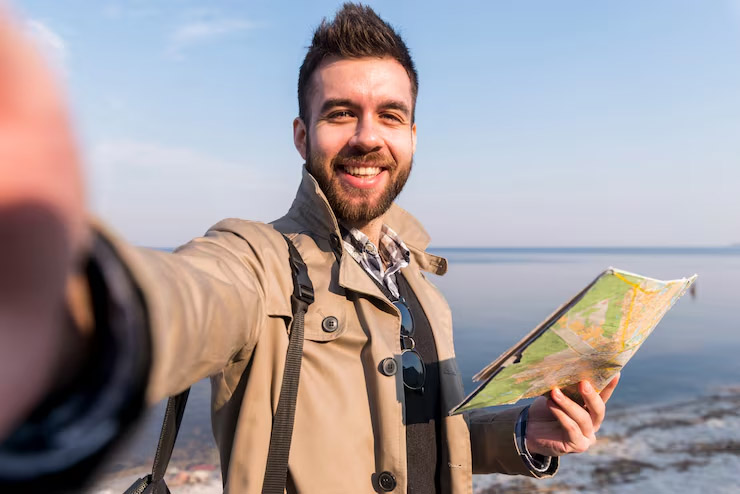
Safety is a major concern for travelers, especially first-timers. A few simple precautions can prevent many problems and allow you to enjoy your trip confidently.
Step 1: Research Before You Go
-
Understand local customs, laws, and cultural norms
-
Learn common scams and areas to avoid
-
Know local emergency numbers
Step 2: Protect Your Belongings
-
Keep money, cards, and documents secure
-
Use a small money belt or anti-theft backpack
-
Avoid flashing expensive items in public
Step 3: Be Digitally Safe
-
Use secure networks when accessing sensitive information
-
Protect personal accounts with strong passwords
-
Backup important files before traveling
Step 4: Stay Aware of Your Surroundings
-
Trust your instincts
-
Avoid poorly lit or isolated areas at night
-
Keep a copy of your itinerary with a trusted friend or family member
Step 5: Health and Wellbeing
-
Carry necessary medications
-
Drink bottled or purified water in unfamiliar locations
-
Know the location of nearby hospitals or clinics
Step 6: Emergency Planning
-
Have a list of emergency contacts (embassy, family, friends)
-
Keep cash and cards accessible
-
Know how to reach local law enforcement quickly
Step 7: Travel Insurance
-
Never skip travel insurance — it’s your safety net
-
Check coverage for medical emergencies, cancellations, and theft
Step 8: Practical Daily Tips
-
Don’t leave bags unattended
-
Make photocopies of important documents
-
Blend in with locals to avoid standing out as a tourist
Conclusion
Safety doesn’t mean constant worry — it means preparation. A little research, awareness, and smart precautions go a long way. By staying alert and planning ahead, you can focus on enjoying your trip instead of worrying about potential problems.

