

Traveling abroad can be exciting — new places, new experiences, new foods. But if you rely on prescription medicines, even the most routine trip needs extra prep. What works at home might be restricted or illegal elsewhere. Understanding the laws and regulations before you go can save you from serious trouble and keep your health on track.
Rules Differ Greatly from One Country to Another
Every country has its own set of rules for prescription medications. Some medicines that are common and legal in the U.S. are considered controlled substances or even banned in other places. That means traveling with your normal medication could lead to confiscation, fines, or in extreme cases — detention.
Before booking a trip, it’s important to check the laws of your destination — and any layover countries. Make sure the drugs you need are allowed. For controlled or sensitive medications (painkillers, stimulants, sedatives, etc.), even carrying a standard dosage can be tricky without the right documents.
Pack Smart: Original Containers, Proper Documentation, and Spare Supply
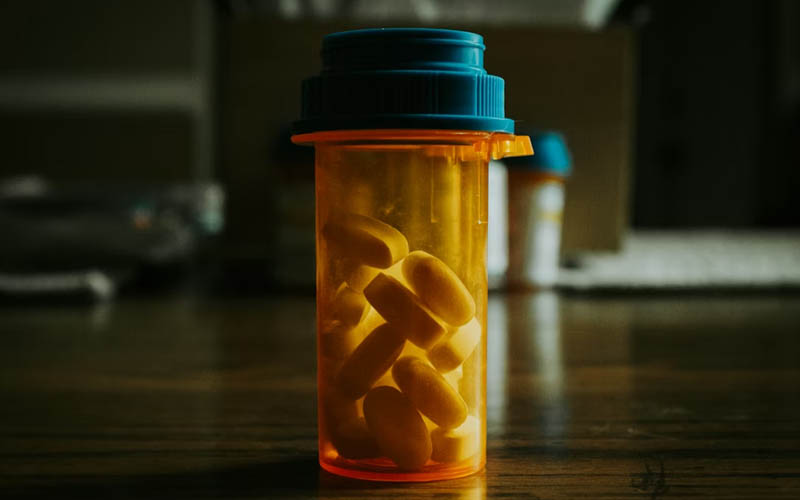
One common mistake travelers make is transferring pills into pill boxes — or packing rough numbers without labels. Customs agents may view that as suspicious. The safest approach: keep medications in their original labeled containers, with your name, the drug name (both brand and generic), dosage, and prescribing doctor clearly visible.
It’s also crucial to carry a copy of your prescription or a doctor’s note explaining your condition and why you need the medication. That becomes especially important if the medicine is a controlled substance or requires special consideration (like injections or refrigerated storage).
Bring more than you think you’ll need — enough for the trip plus a few extra days, just in case of delays. Always keep meds in your carry-on luggage, not checked bags. That way, if your luggage gets lost or delayed, you’re not stuck without essential treatment.
Know What Could Go Wrong — And Plan Accordingly
If you travel with medication that’s restricted or banned at your destination — without proper paperwork — you could face serious consequences: confiscation, denial of entry, or legal trouble. Also, some countries don’t refill U.S. prescriptions, and buying meds abroad can be risky due to counterfeit or substandard drugs.
If you’re taking injectables (e.g., insulin, EpiPens) or medications requiring refrigeration, plan their storage carefully — bring insulated bags, check local laws for needles, and ensure you can legally transport the supplies.
Needless to say, you should avoid traveling with prescriptions intended for someone else — even a family member. Medicines are considered personal items, and carrying pills for someone else can be seen as drug trafficking.
Talk to Your Doctor — And Travel Health Experts — Before You Go
At least a few weeks before your trip, book an appointment with your healthcare provider. Ask them for a letter that lists all your medicines (by generic name), dosages, and explains why you need them. Discuss the length of your trip, any storage needs (like refrigeration), and how changing time zones might affect dosing.
If your medications are for chronic conditions, it may also be разумно to look into travel medical insurance or medical evacuation coverage, especially if you’re visiting a place with limited healthcare services.
Bottom line
Bringing prescription medicine abroad isn’t just packing pills — it’s about being a responsible traveler. Laws vary wildly, medication can be restricted or forbidden, and documentation makes the difference between a smooth trip and serious trouble. By packing smart, keeping everything labeled, carrying prescriptions and a doctor’s note, and planning ahead — you protect both your health and your journey. When you treat medication like the essential travel item it is, you travel with peace of mind.

